- Your cart is empty
- Continue Shopping


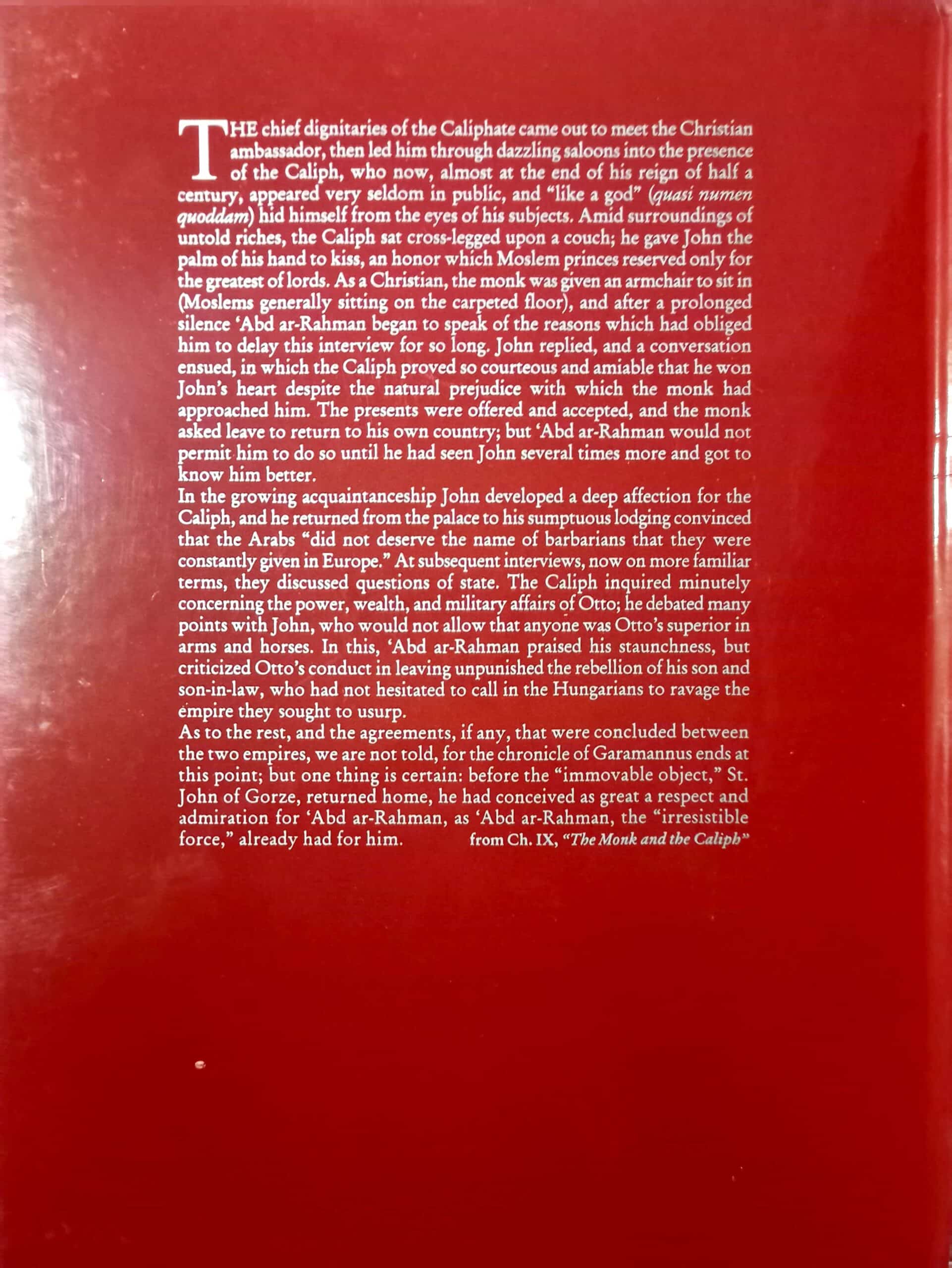
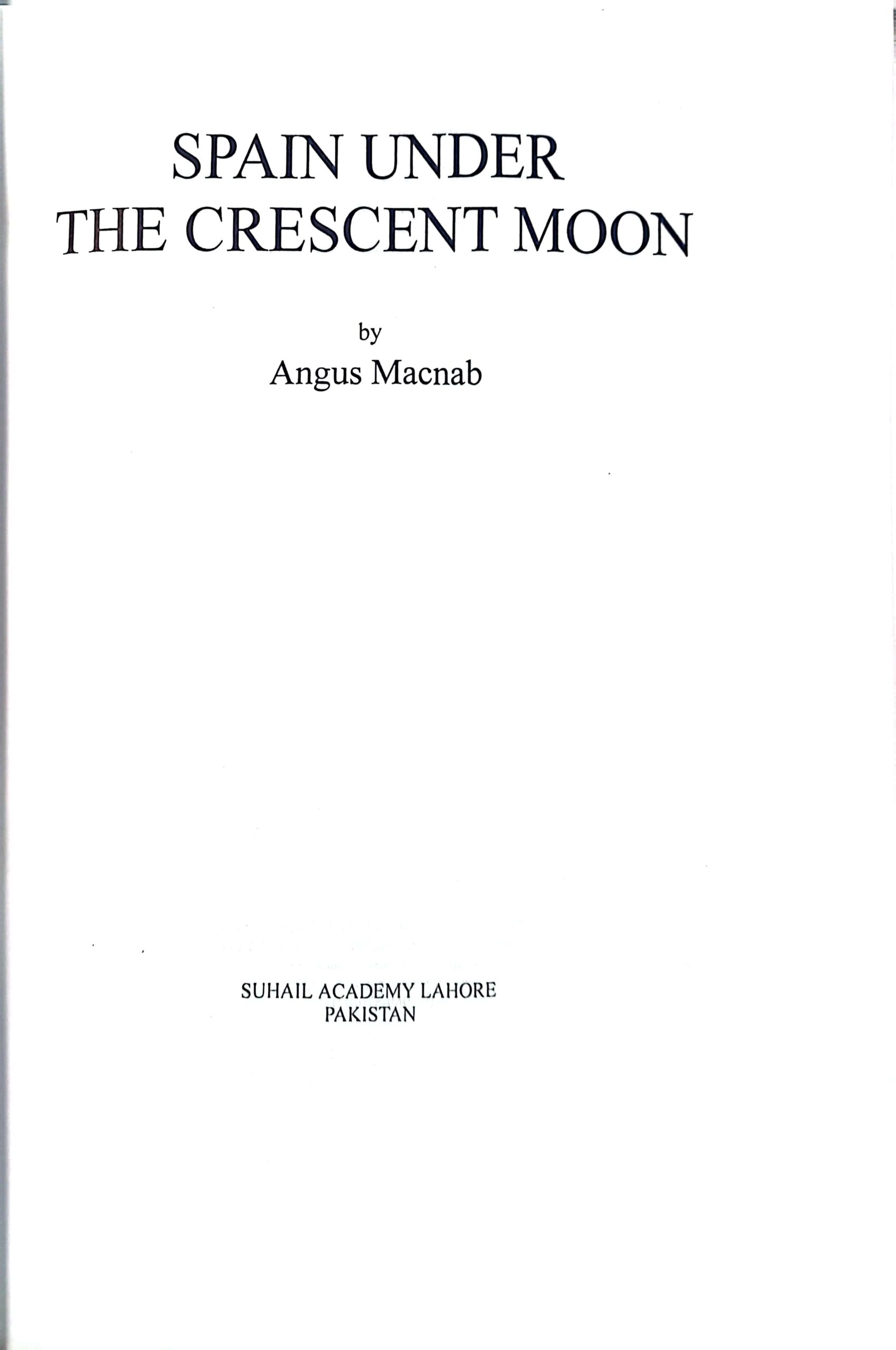
Spain under the Crescent Moon | Angus Macnab
Spain under the Crescent Moon | Angus Macnab

₨ 1,850
Availability: 1 in stock
Add to cart
Buy Now
Spain under the Crescent Moon, first published in 1953, is a classic work of historical and cultural appreciation by the Scottish-born writer and Traditionalist scholar Angus Macnab. It is widely considered one of the most evocative accounts of the “Golden Age” of Islamic Spain (Al-Andalus).
Book Description
Macnab, a close associate of the Perennialist philosopher Frithjof Schuon, approaches history not as a dry collection of dates, but as a study of a sacred civilization. He focuses on the eight centuries (711–1492) when the Iberian Peninsula was a beacon of high culture, religious tolerance (Convivencia), and spiritual illumination.
The book is written with a deep sense of “nostalgia for the sacred.” Macnab vividly describes the architecture of the Alhambra and the Great Mosque of Córdoba, the chivalry of the knights, and the wisdom of the Sufi masters. His goal is to show the modern Westerner that “Dark Age” Europe actually contained a luminous “Crescent Moon” that preserved the highest intellectual and spiritual traditions of antiquity.
Key Points
1. The Spirit of Convivencia
Macnab highlights the unique period where Muslims, Christians, and Jews lived in relative harmony. He argues that this was not merely “political tolerance” but a shared metaphysical understanding of the Abrahamic tradition, where each community contributed to a unified Mediterranean culture.
2. The Architecture of Paradise
A significant portion of the book is dedicated to the symbolic meaning of Moorish architecture. Macnab interprets the Alhambra and the Mezquita of Córdoba as “frozen music”—physical representations of the Divine Order. He explains how the geometry and calligraphy in these buildings were designed to induce a state of Dhikr (Remembrance) in the viewer.
3. The Rise and Fall of the Umayyads
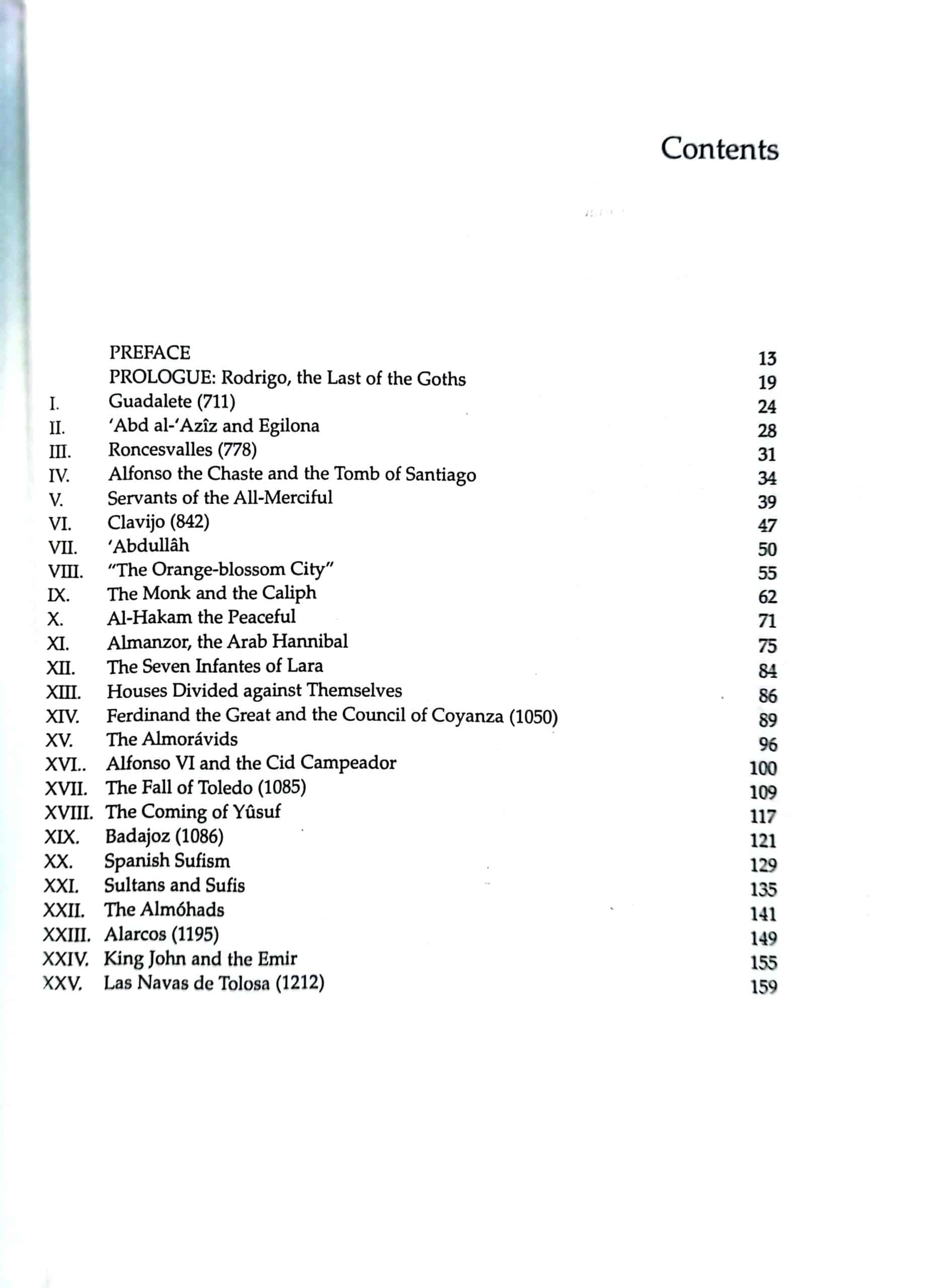
The book tracks the political history of Al-Andalus, from the arrival of Abd al-Rahman I (the “Falcon of the Quraysh”) to the final, tearful surrender of Boabdil in Granada. Macnab views the decline not just as a military failure, but as a slow “hardening” and loss of the original spiritual vitality that founded the caliphate.
4. Chivalry and the “Code of Honor”
Macnab explores the concept of Futuwah (Islamic chivalry) and its influence on the European “Knightly Code.” He shows how the manners, poetry, and “Courtly Love” of the Spanish Moors directly shaped the culture of the Troubadours and the medieval European aristocracy.
5. The “Cradle” of Sufism
Crucial for those interested in Ibn al-Arabi, the book describes Andalusia as the fertile ground that produced some of the greatest mystics in history. Macnab explains how the unique atmosphere of Spain—a crossroads of East and West—allowed for the flowering of the “Akbarian” school and the works of Ibn Masarra and Ibn Sab’in.
6. The Legacy of the “Lost Garden”
The final chapters reflect on what the modern world lost when the Crescent Moon set over Spain. Macnab argues that the Reconquista led to a “narrowing” of the European mind, and he suggests that rediscovering the “Andalusian Spirit” is essential for any modern dialogue between Islam and the West.
| Weight | 0.9 kg |
|---|---|
| Binding | |
| Edition | |
| Paper type | |
| Printing Quality | |
| Langauge |
You must be logged in to post a review.


Related products
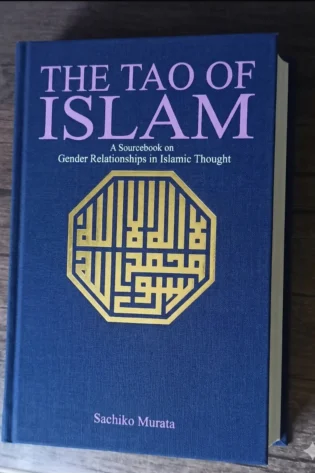
The Tao of islam
₨ 2,000
The Doctrine of the Sufis (Arabic: Kitab al-Ta’arruf li-madhhab ahl al-tasawwuf)
₨ 1,500Current price is: ₨ 1,500. Original price was: ₨ 1,800.
Reviews
There are no reviews yet.