- Your cart is empty
- Continue Shopping


The Meccan Revelations | Part-I & II | Selections | al-Futuhat al-Makkiyah
The Meccan Revelations | Part-I & II | Selections | al-Futuhat al-Makkiyah
Save ₨200Featured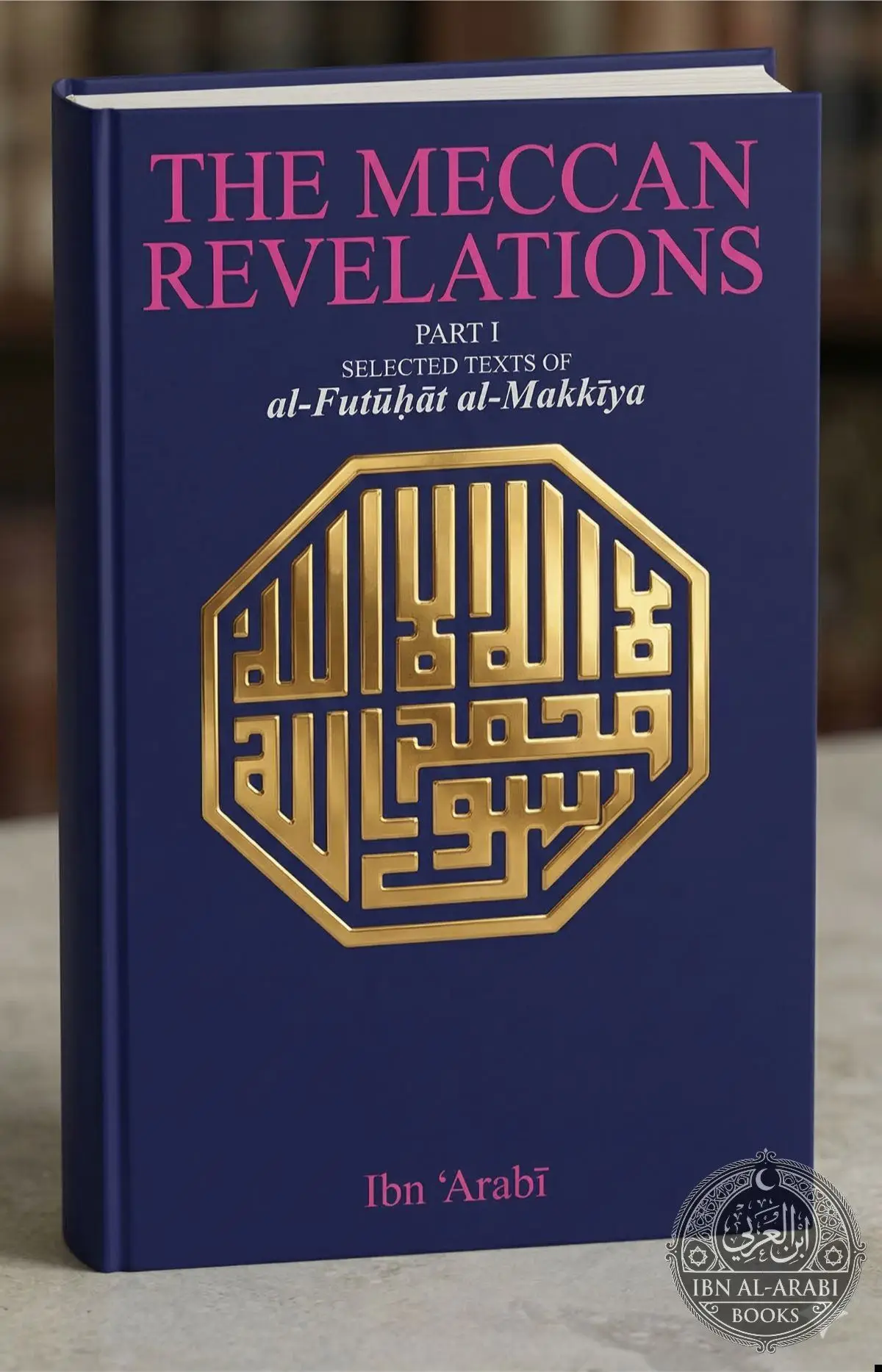

₨ 2,800Current price is: ₨ 2,800. Original price was: ₨ 3,000.
Perhaps no mystic in the history of the world has delved as deeply into the inner knowledge that informs our being as did Ibn ‘Arabi. He was born into the cultural and religious crucible of Andalusian Spain in 1165, a place and time in which Muslim, Jewish and Christian scholars learned from each…
Availability: Out of stock
The Meccan Revelations (al-Futuhat al-Makkiyya) is the undisputed masterpiece of Sufi metaphysics, penned by Muhyiddin Ibn al-Arabi. Spanning 560 chapters in its original form, it is an exhaustive encyclopedia of spiritual knowledge, covering everything from Islamic law and theology to cosmology, psychology, and the deepest mysteries of the Divine Essence.
The modern English translations (often published in volumes like Part I and Part II by publishers such as Pir Press or Anqa Publishing) typically focus on the opening chapters, which lay the structural and metaphysical groundwork for the entire work.
Book Description
The title refers to the “revelations” or “openings” (futuhat) that came to the Sheikh while he was performing circumambulation (tawaf) around the Kaaba in Mecca. Ibn al-Arabi maintains that he did not “author” the book through rational thought, but rather acted as a scribe for a divinely inspired “tasting” (dhawq).
Part I and Part II generally cover the Introduction and the First Chapters, which establish the cosmology of the universe. They describe the transition from the Absolute Essence (al-Dhat) to the first stirrings of creation through the “Breath of the Merciful.” These volumes are essential because they define the technical vocabulary (the “alphabet” of Gnosis) used throughout the rest of the thousands of pages.
Key Points
1. The Creative Breath (Nafas al-Rahman)
Ibn al-Arabi describes creation not as a “one-time event” but as a perpetual process. God “breathes” out the possibilities inherent in His Names, giving them form. This “Breath of the Merciful” relieves the “distress” of the Divine Names that yearned to be known.
2. The Science of Letters (‘Ilm al-Huruf)
In these early parts, the Sheikh explores the metaphysical significance of the Arabic alphabet. He treats letters as “nations” or spiritual entities, explaining how the structure of the Quran and the structure of the Cosmos are mirrors of one another.
3. The Oneness of Being (Wahdat al-Wujud)
While the text is incredibly dense, the underlying theme is that Existence is One. There is no “other” than God; what we perceive as “creation” is actually God manifesting Himself to Himself in different “theophanic” forms (tajalliyat).
4. The “Intermediate World” (Barzakh)
Ibn al-Arabi provides a detailed map of the Alam al-Mithal (the World of Images/Imagination). This is the realm where “meanings” take on “forms” and “bodies” are spiritualized. It is the location of dreams, visions, and the events of the Resurrection.
5. The Perfect Human (al-Insan al-Kamil)
The text explains that the Human Being is the “Small Universe” (al- ‘Alam al-Saghir) and the Universe is the “Large Human” (al-Insan al-Kabir). The Human is the only creature that contains all the Divine Names, making them the “Viceroy” (Khalifa) of God on Earth.
6. The Spiritual Hierarchy
These early chapters introduce the “Government of the Saints.” The Sheikh describes the roles of the Pole (Qutb), the two Imams, the four Pillars (Awtad), and the seven Substitutes (Abdal), explaining how they maintain the spiritual equilibrium of the world.
| Weight | 1.3 kg |
|---|
You must be logged in to post a review.
Related products
Save ₨250
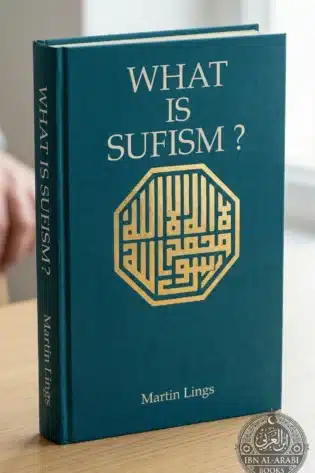
What is Sufism by Martin Lings
₨ 1,250Current price is: ₨ 1,250. Original price was: ₨ 1,500.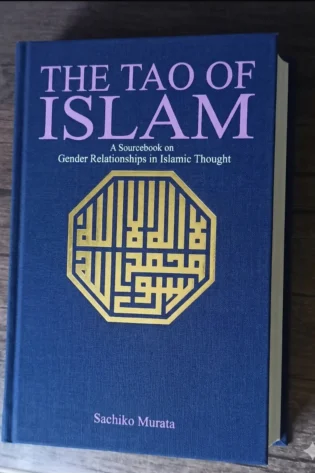
The Tao of islam
₨ 2,000
Reviews
There are no reviews yet.