- Your cart is empty
- Continue Shopping


The Elixir of the Gnostics | William C Chittick | Iksīr al-‘Ārifīn | Mulla Sadrā | اکثیر العارفین | ملا صدرا
The Elixir of the Gnostics | William C Chittick | Iksīr al-‘Ārifīn | Mulla Sadrā | اکثیر العارفین | ملا صدرا
Featured
₨ 1,250
Arabic Title: إكيسر العارفين از ملا صدرا
Author: Sadr al-Din Muhammad Shirazi
Translated by: William C Chittick
Publisher: Suhail Academy
Pages: 192
Binding: Hardbound مجلد
Weight: 0.80 kg
Availability: 1 in stock
Add to cart
Buy Now
The Elixir of the Gnostics (Arabic: Iksir al-‘Arifin) is a concise yet profound treatise by the 17th-century Persian philosopher and mystic Mulla Sadra (Sadr al-Din al-Shirazi). It serves as an essential manual of “spiritual alchemy,” focusing on the transformation of the human soul through knowledge and practice.
Book Description
Unlike Sadra’s massive philosophical works like the Asfar, The Elixir of the Gnostics is more accessible and practical in tone. It is structured as a guide for the “traveler on the path” (salik), using the metaphor of alchemy—not to turn lead into gold, but to transmute the “base metal” of the lower soul into the “pure gold” of spiritual intellect.
The work is divided into four main parts (or “chapters”), covering the nature of knowledge, the structure of the human soul, the journey toward the Afterlife, and the final “resurrection” of the spirit. It represents a synthesis of Peripatetic philosophy, Illuminationist (Ishraqi) wisdom, and the Gnosis (‘Irfan) of Ibn al-Arabi.
Key Points
1. The Substance of the Soul
Sadra argues that the soul is not a static entity but is in a state of Substantial Motion (al-haraka al-jawhariyya). He posits that the soul starts as something material (biological) but, through spiritual “cooking” and refinement, becomes entirely spiritual and immaterial.
2. Knowledge as Being
A central Sadrian pillar is the Unification of the Knower and the Known. He explains that true “Gnosis” is not just information stored in the mind; it is an ontological shift. When you truly “know” a Divine reality, your soul actually becomes that reality in a metaphysical sense.
3. The Three Worlds
The book describes the traveler’s journey through three distinct realms:
The World of Nature: The physical realm of the senses.
The World of Image (Alam al-Mithal): The “intermediary” world where spiritual realities take on form (similar to Ibn al-Arabi’s Khayal).
The World of Intellect: The realm of pure light and Divine proximity.
4. Spiritual Alchemy
The “Elixir” mentioned in the title is Knowledge (‘Ilm). Sadra explains that just as an elixir accelerates the maturation of metal, Divine knowledge accelerates the maturation of the human soul, allowing it to bypass the “rust” of worldly attachments and achieve its “solar” (luminous) state.
5. The Imaginal Body
Sadra introduces the idea that after death, the soul does not remain a “disembodied ghost” but creates for itself an Imaginal Body based on its character and actions in this world. If a person lived like a beast, their soul “crystallizes” into a bestial form in the next realm; if they lived as a Gnostic, they take on a form of light.
6. The Goal of Human Existence
The ultimate point of the book is the Return (Ma’ad). Sadra emphasizes that the human being is the only creature capable of traversing all levels of existence. The “Elixir” allows the soul to return to its Divine origin while retaining the “perfection” it gained during its journey through the material world.
| Weight | 0.8 kg |
|---|
You must be logged in to post a review.
Related products
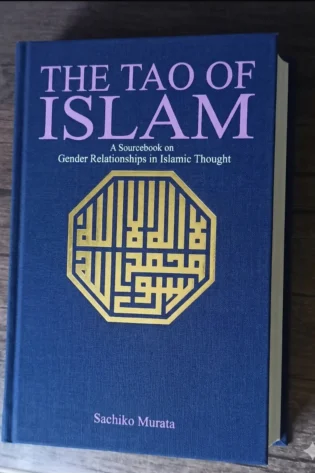
The Tao of islam
₨ 2,000
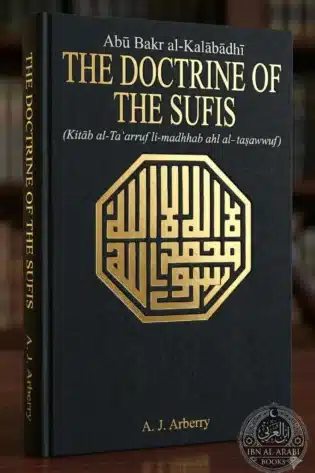
The Doctrine of the Sufis (Arabic: Kitab al-Ta’arruf li-madhhab ahl al-tasawwuf)
₨ 1,500Current price is: ₨ 1,500. Original price was: ₨ 1,800.
Save ₨250
Reviews
There are no reviews yet.